30. May 2026
Meet “The Colonial”: Our Unexpected Fixer-Upper
After sharing our last home and my design aesthetic, it’s time to show you where we are now. In late 2020, with our first child, D, just six months old, Dan pulled up a Zillow listing one evening after a long day of work and parenting. There happened to be an open house right then. We went. We made an offer. It was accepted that night.
We had zero plans to move—especially with a baby. We’d spent three years pouring ourselves into the Treehouse to make it right for a growing family. But Covid changed everything: Dan was suddenly working from home in the loft, and work calls plus baby cries don’t mix.
So, with a six-month-old, we prepped to sell and jumped into another fixer-upper. It was far from ideal, but I’m so grateful we did. We could never have afforded this home if we hadn’t leapt when the market did.
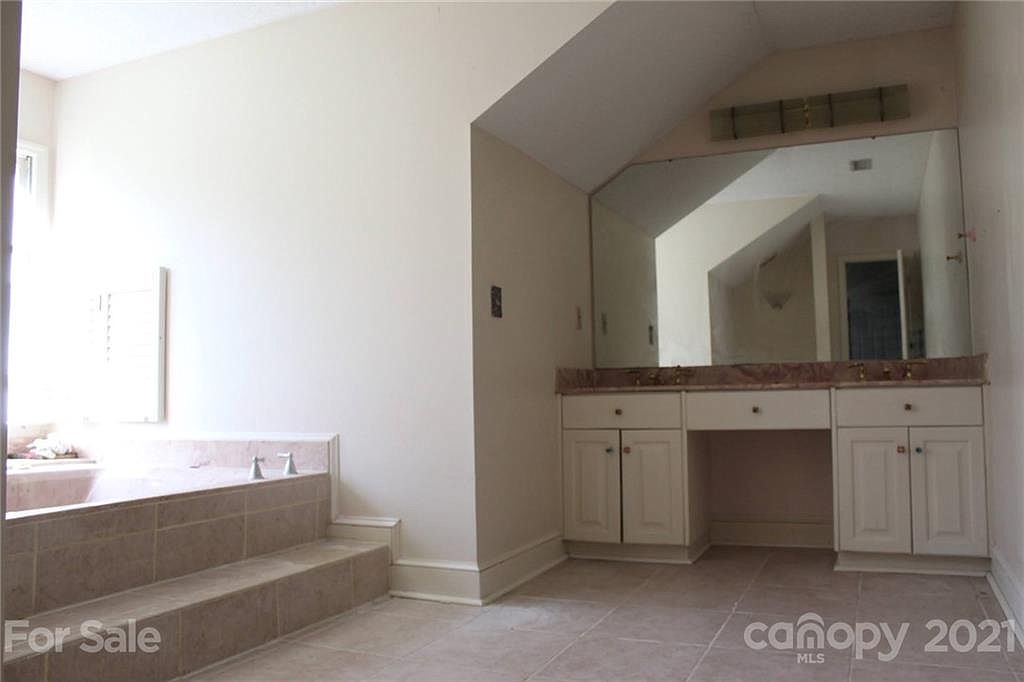
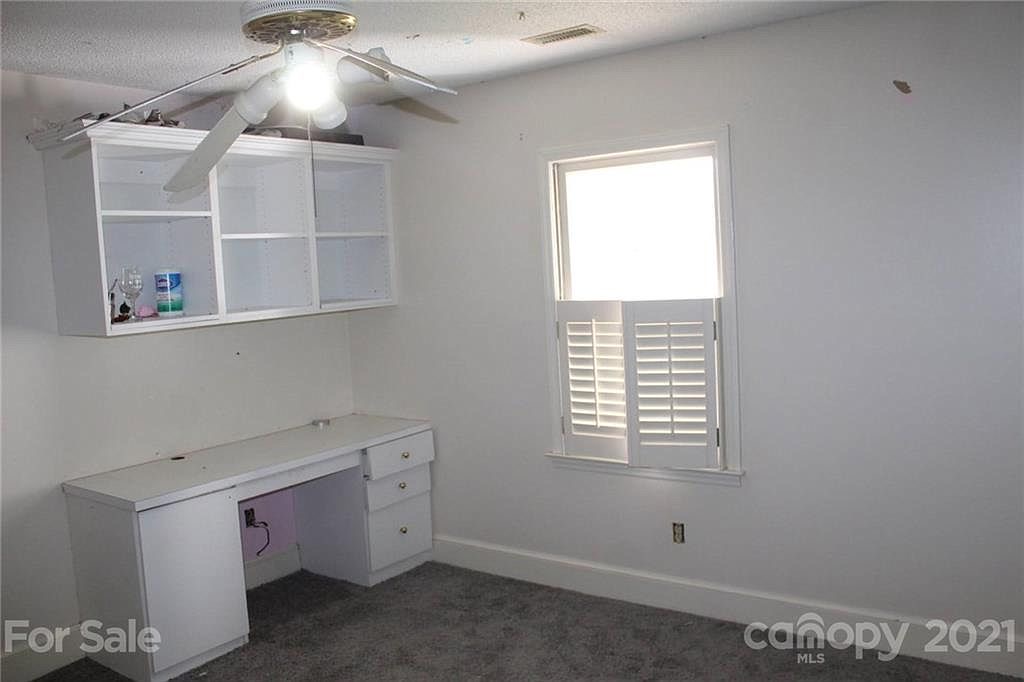
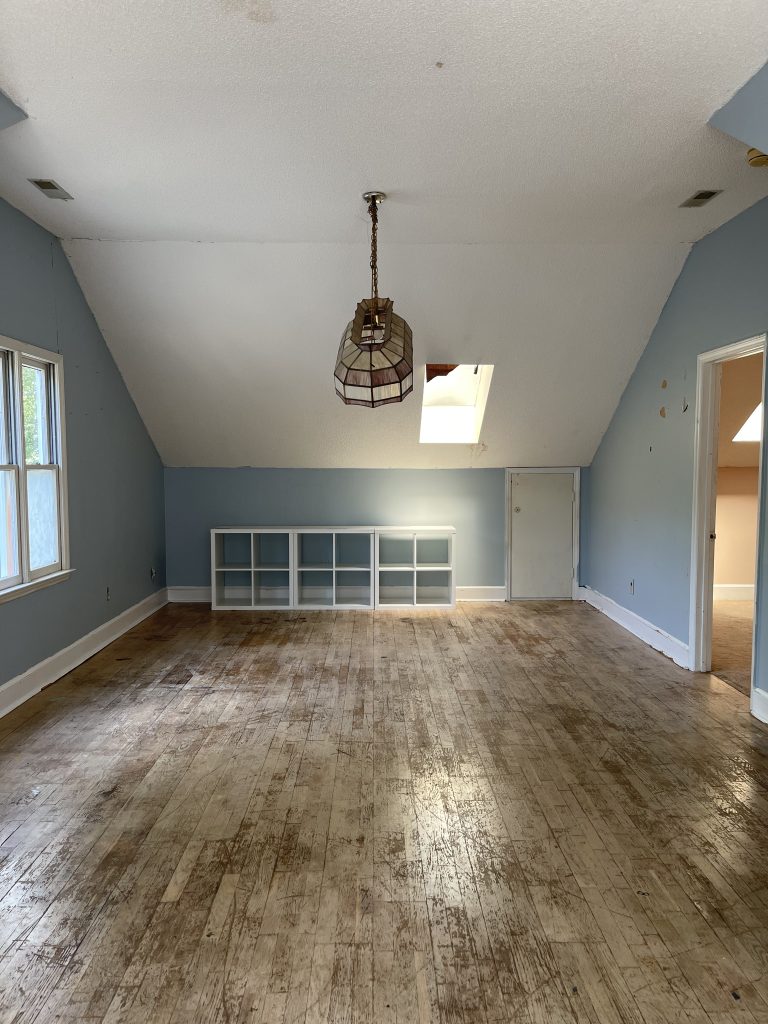
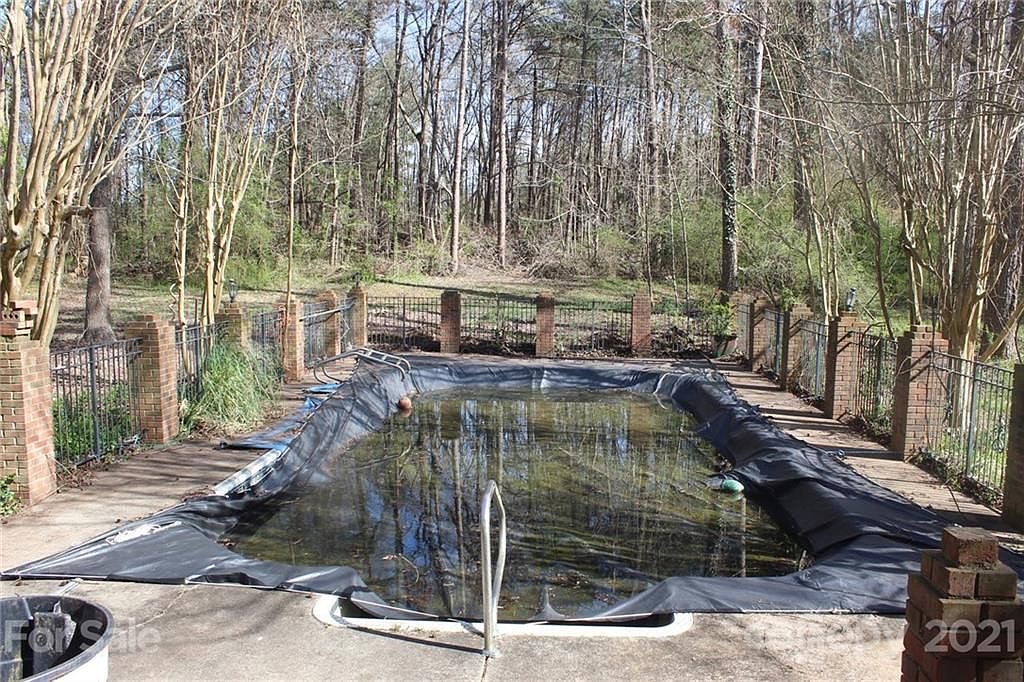
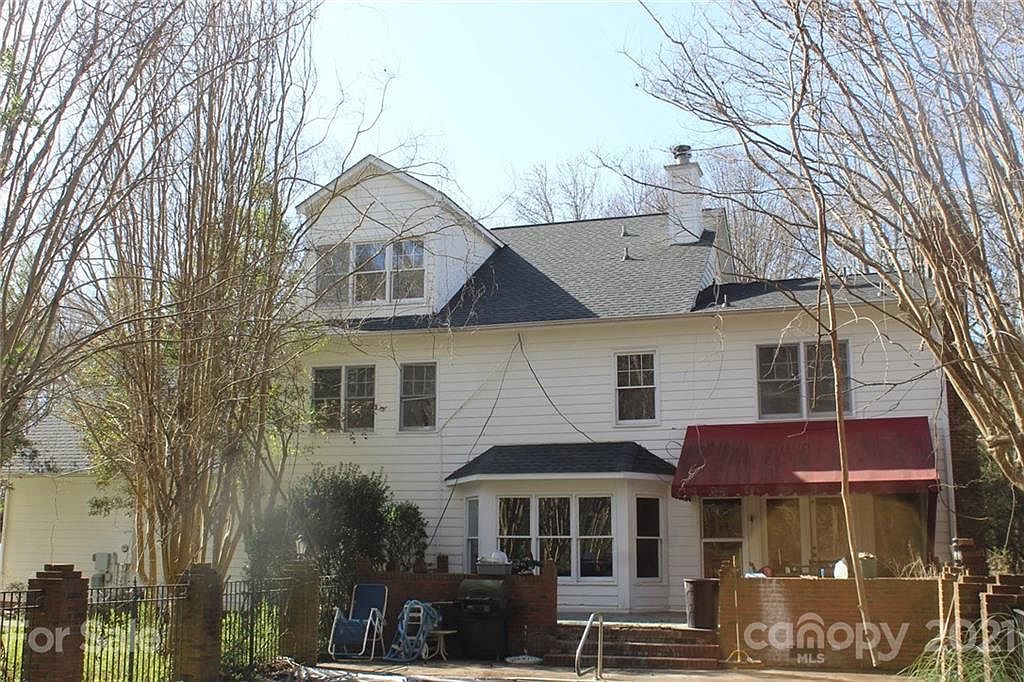
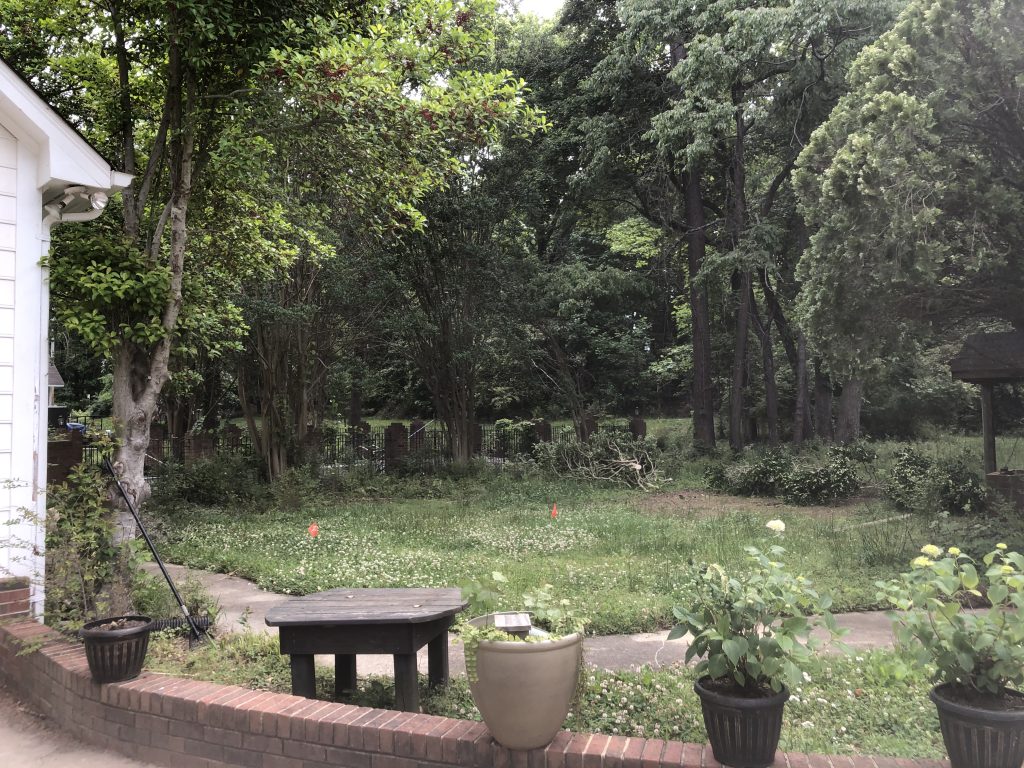
What we walked into was rough—truly rough. The neighbors were mowing the lawn. Only one of four stove burners worked. The pool hadn’t been filled in over a decade. There were mice. Broken windows were literally taped together. A car in the driveway was being used as a dumpster. Inside and out, the house was in terrible shape.
And still—we saw it. Walking through that first evening, I knew this was our home. It felt right, like the exact next step our family needed, no matter how hard the next few years would be.
Here’s a snapshot of what we inherited:
- Neglected exterior and overgrown yard
- Nonfunctional kitchen and bathrooms
- A long-abandoned pool
- Signs of pests
- Broken, taped-up windows, doors and garage doors
We’ve already made so much progress, and there’s more to go. I can’t wait to show you the “before” photos and everything we’ve tackled so far—plus what’s next on the list.
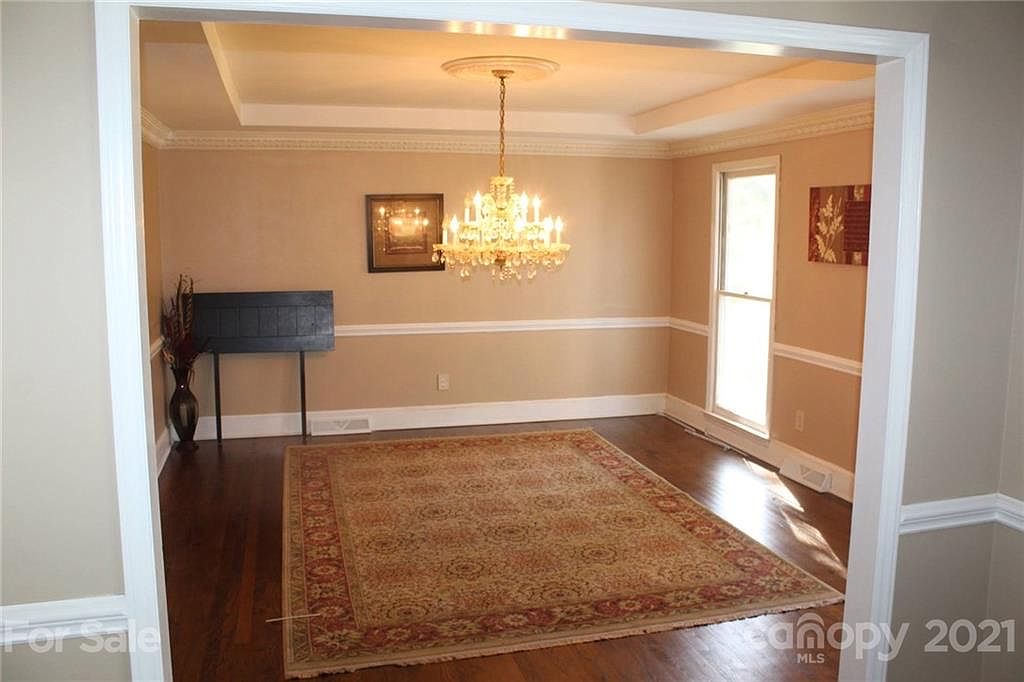
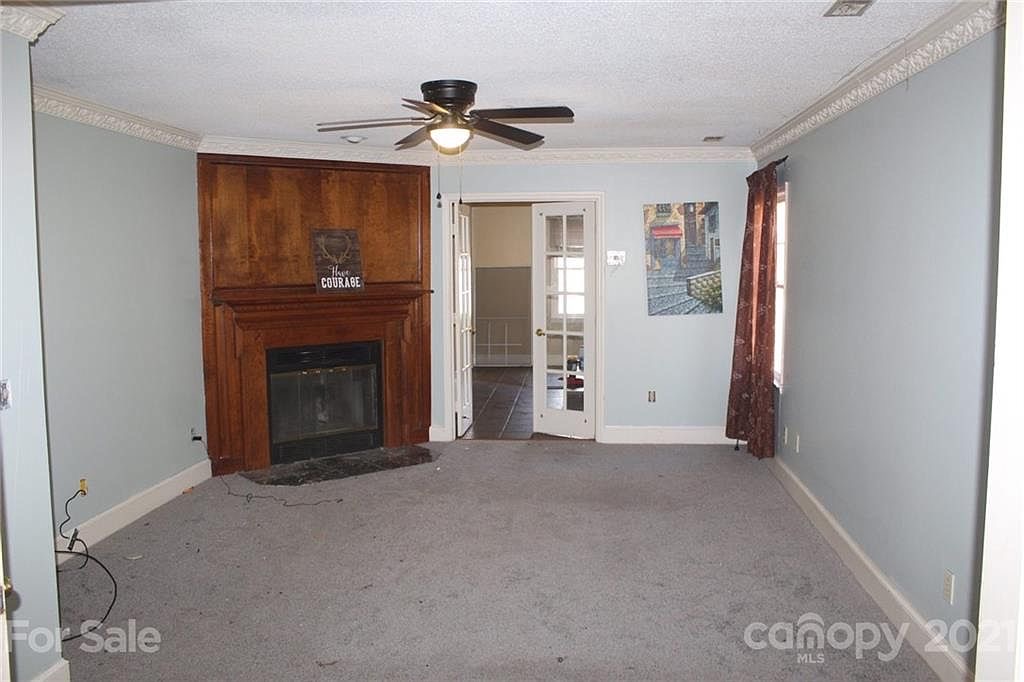
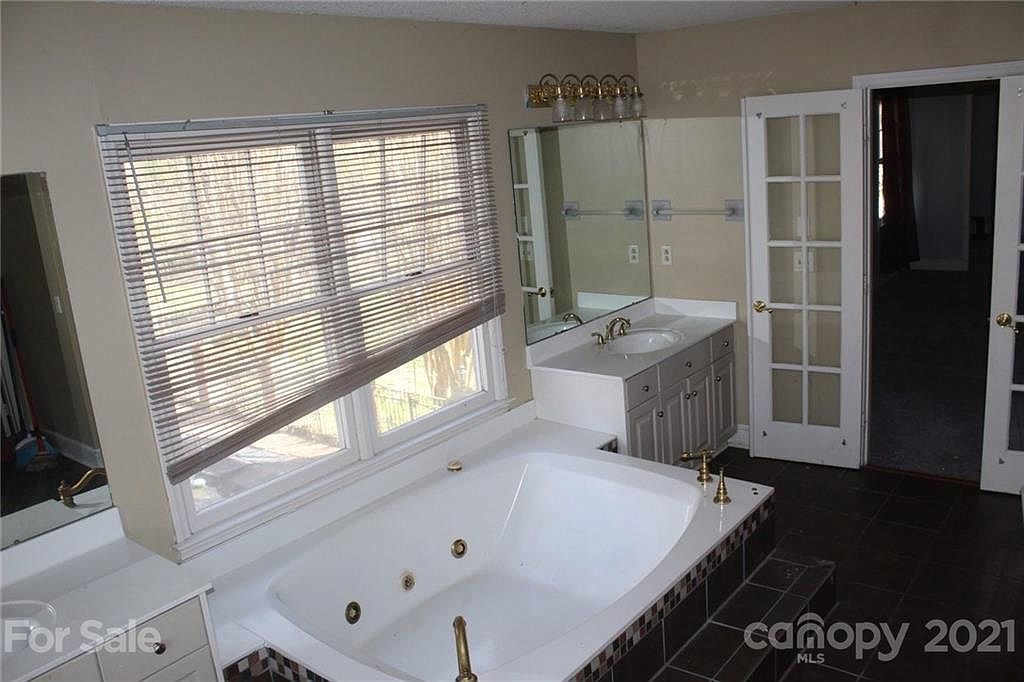
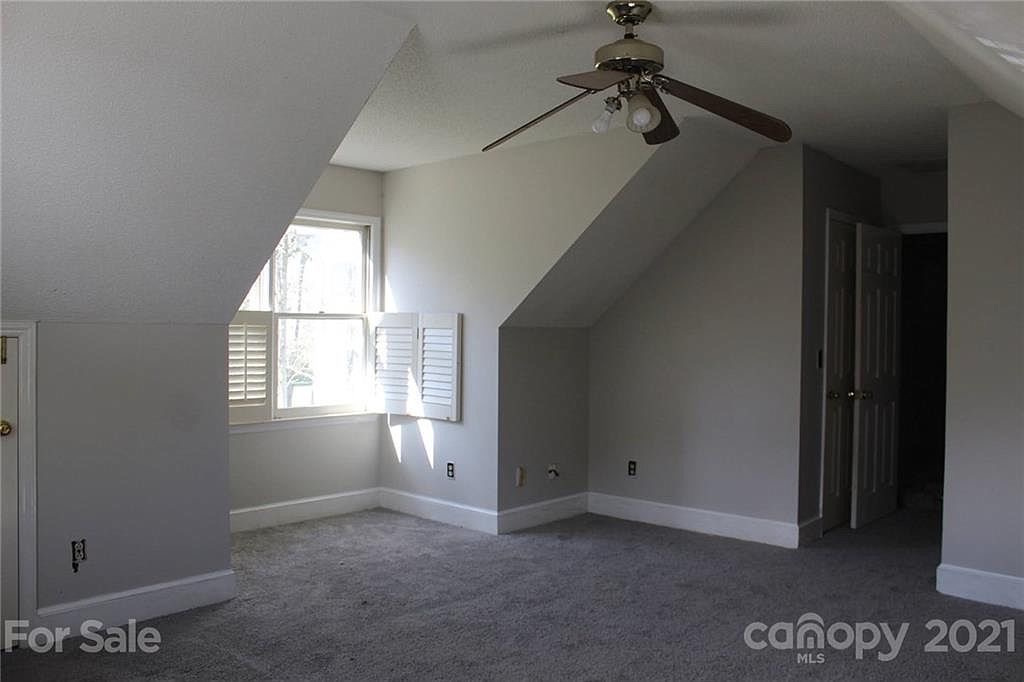
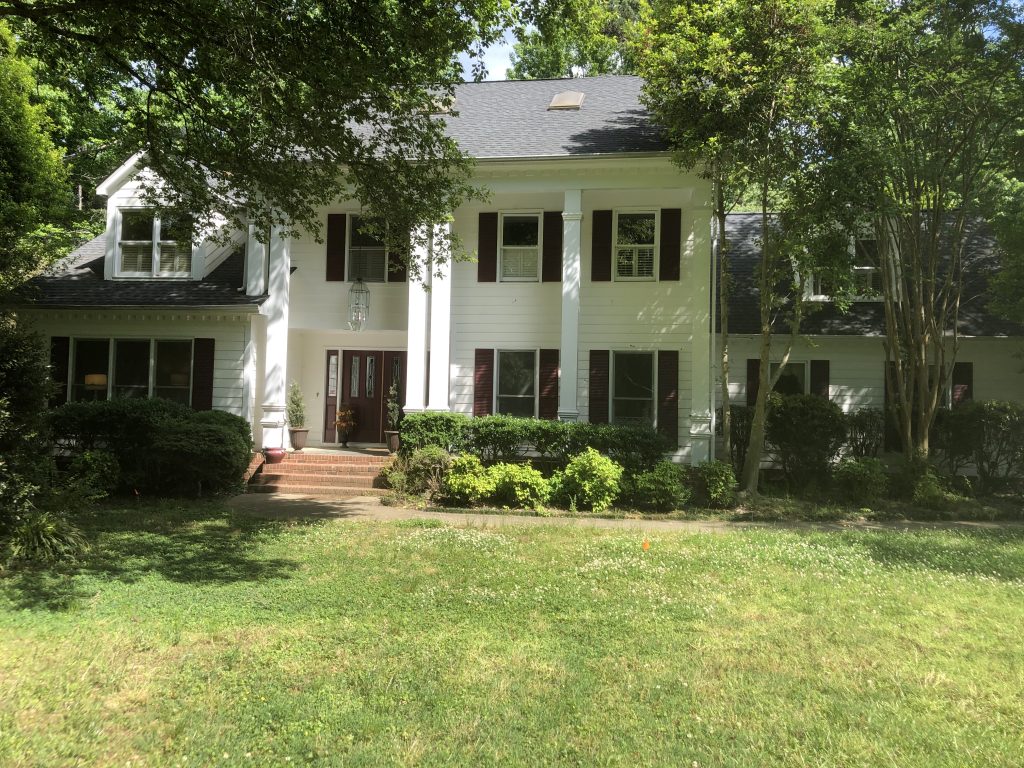
Meet our Colonial, exactly as it looked the day we bought it. Stay tuned for the before-and-afters!
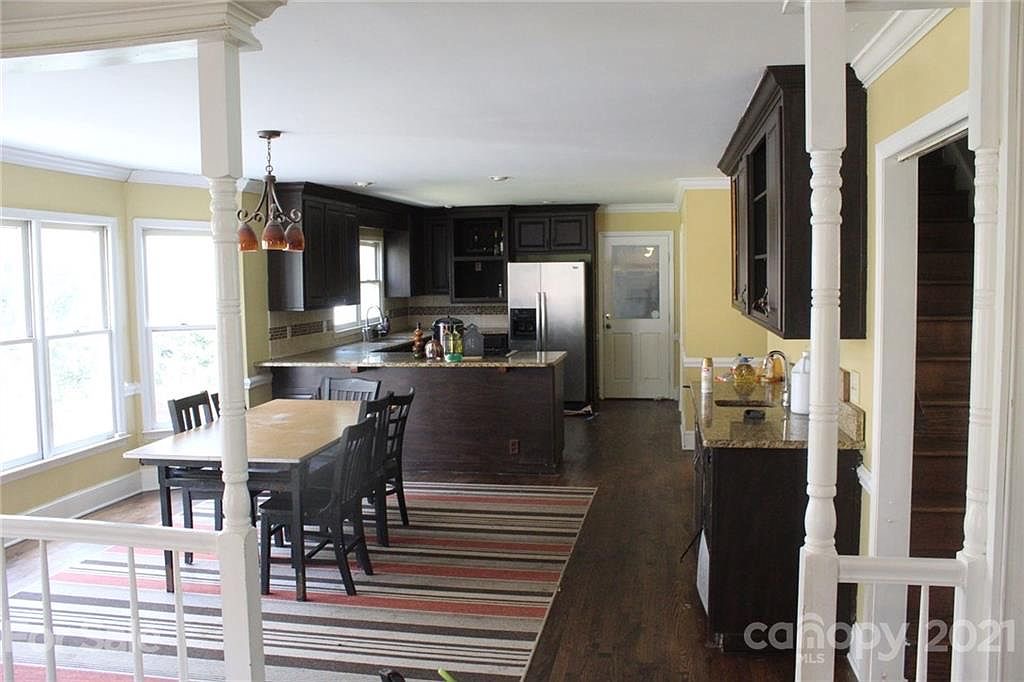
Here’s the kitchen before—far too tight for us. We took out the left bay window and pushed into the eat-in space, doubling the footprint.
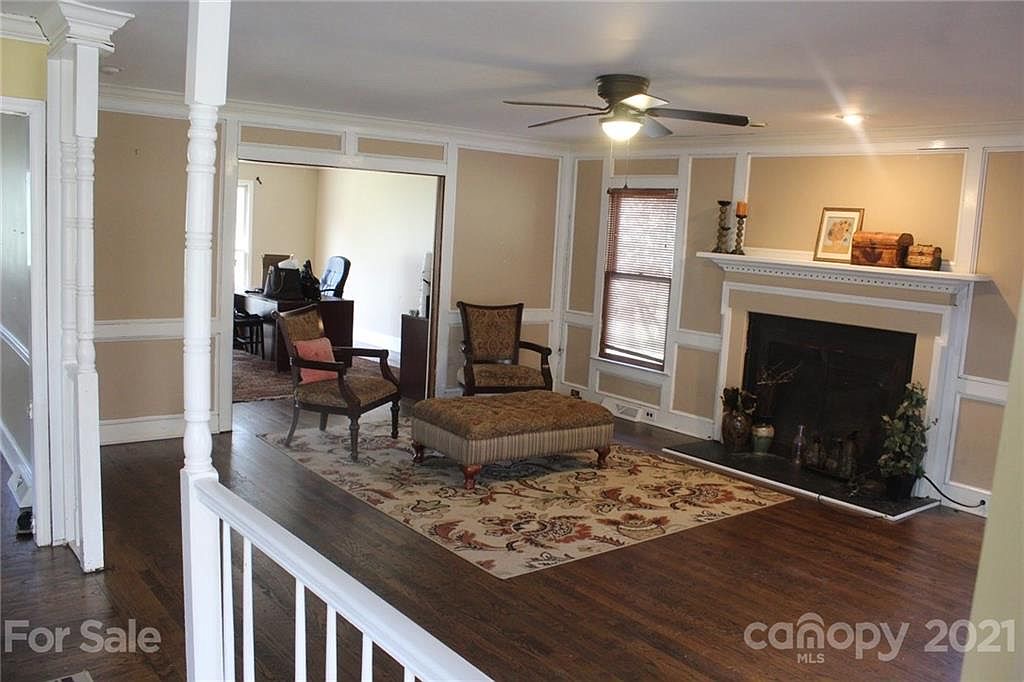
Those dated ’80s railings had to go—and surprise, they were load-bearing.